Hotel Essence Photography

Press Release Michelle Chaplow receives two international photography awards.

Saturday, February 16th, 2013

FOR IMMEDIATE RELEASE:

PHOTOGRAPHY MASTERS CUP HONORS PHOTOGRAPHER MICHELLE CHAPLOW FROM SPAIN.

LOS ANGELES (19th Feb 2003 ) – Professional photographer, Michelle Chaplow of Spain was presented with the 6th Annual Photography Masters Cup Merit of Excellence in the category of Professional Architecture, at a prestigious Nomination & Winners Photoshow and a second honorable mention in the professional Nude category The live online ceremony webcast Saturday, February 16, 2013 was attended by photography fans in 86 countries who logged on to see the climax of the industry’s most important event for color photography.

The awards international Jury included captains of the industry from Phillips de Pury & Company in New York; Kunst Licht Gallery, Shanghai; XPO Gallery, Paris; Tasveer Galleries, India; BFN, Netherlands; to BBH in London who honored Color Masters with 239 coveted title awards in 18 categories.

“It is an incredible achievement to be selected among the best from the 8,521 entries we received this year,” said Basil O’Brien, the awards Creative Director. “Michelle Chaplow’s “Bathtub at dawn,” an exceptional image entered in the Professional Architecture category, represents contemporary color photography at its finest, and we’re pleased to present her with the title of Merit of Excellence.”

INTERNATIONAL COLOR AWARDS, PHOTOGRAPHY MASTERS CUP is the leading international award honoring excellence in color photography. This celebrated event shines a spotlight on the best professional and amateur photographers worldwide and honors the finest images with the highest achievements in color photography. www.photomasterscup.com

6th Photography Masters cup – International colour awards

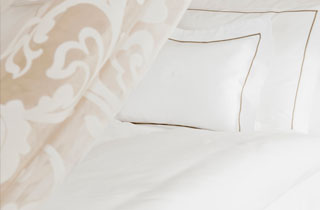
Bath tub at Dawn merit of excellence - Professional Architectural Photography

Merit of Excellence award for “Bathtub at Dawn” in the Professional Architecture section.

Shot on location at the Dolder Grand hotel
A five star hotel in Zurich, designed by Forster+Partners.

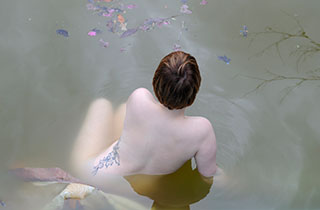
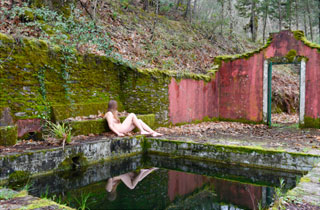
Honorable mention for Hannah in the Professional nude photography section

and the Honorable Mention for “Hannah” in the Professional nude category.

Posted in Architecture, Photography masters cup, contempoary photography, contemporary art, contemporary photography | Leave a comment


Two images selected for the Royal Photographic Society Members’ Biennial -The Exhibition will be on show from 3 Feb to 16 Feb 2103

Congratulations, Michelle – you have had two images selected for the RPS Members’ Biennial Exhibition.  With nearly 9,000 images submitted by over 1,000 RPS members worldwide, you should feel very proud of your achievement!

Lesley Goode

Exhibitions Manager

The Royal Photographic Society

The Members’ Exhibition (now known as The RPS Members’ Biennial Exhibition) was instigated in 2003 as a response to requests from RPS members for an exclusive exhibition and to commemorate the 150th Anniversary of The Society.

The exhibition of 100 prints, showcases the quality and diversity of the photographic work of RPS members’ worldwide.

One Glance, street life, New Delhi

The opening of this inaugural showing of the Exhibition and presentation of Awards will be presided over by the RPS President, Roy Robertson HonFRPS and the local Mayor Dorothy Thornhill OBE on 3rd Feb at 2.30pm at:

The Harlequin Gallery
Harlequin Centre
Watford, Hertfordshire
WD17 2UB

The Exhibition will be on show from 3 Feb to 16 Feb 2103

The Pool of Life - Hannah

Posted in Uncategorized, contemporary art, contemporary photography | | Leave a comment


¡Cuidado con la brecha digital!

Foto por Michelle Chaplow Efe Reportajes. Valencia, España

Foto por Michelle Chaplow Efe Reportajes

Por Catherine Cunningham

En todo el mundo son millones las fotografías digitales que se realizan, se suben a redes sociales y se almacenan cada día. Imágenes que, en raras ocasiones, son impresas en papel. ¿Tendrán un futuro?¿Cómo podemos y debemos preservar estas imágenes digitales?

La escasez de documentación fotográfica convencional generada desde finales del siglo XX hasta la actualidad va a suponer un reto considerable para los expertos, especialmente para los historiadores del arte.

Atrás quedaron los días en que copias, negativos y diapositivas se guardaban celosamente en cajones y armarios para formar parte de la herencia artística o familiar, generación tras generación. La pregunta es ¿estamos preparados para conservar nuestro legado fotográfico digital?.

De hecho, no solemos dar mucha importancia al número de imágenes que hacemos. En los albores de la fotografía digital, fueron muchos los que creyeron que eran de verdad “gratis” y pensaron que la cantidad no importa.

Algunas de estas primeras fotografías digitales ni siquiera fueron guardadas. El hecho de que no costaran dinero provocaba que el apego que se las tenía era mínimo. Parecía que carecían de valor.

Expertos fotógrafos coinciden en señalar que las primeras tomas elaboradas en la era digital fueron, a menudo, desechadas o borradas.

LA GRATUIDAD, UNA FALACIA.

El historiador del Arte y crítico español, Rafael Doctor Roncero, lo admite: “Efectivamente, yo ni siquiera guardé las primeras fotografías digitales que hice”.

Pero los especialistas saben que esa supuesta gratuidad es, en cierta medida, una falacia y,tanto los profesionales de la fotografía como el público en general, pronto se dieron cuenta de que las fotografías digitales no eran gratis por el simple hecho de ahorrarse el coste del carrete y del revelado.

“Los costes únicamente se transformaron: para los profesionales, en horas de edición y postproducción, además de la inversión añadida dedicada al almacenamiento, con la adquisición de discos duros externos y equipos informáticos más potentes para manejar este nuevo mundo de las imágenes digitales”, opina la fotógrafa británica Michelle Chaplow, freelance con 20 años de experiencia y miembro de la Real Sociedad Fotográfica de Gran Bretaña (Royal Photographic Society of Great Britain) y nominada varias veces al premio Black & White Photography Spider Awards.

La profesional británica es taxativa con respecto a lo que supone esta transición en el mundo de las imágenes: “La displicencia hacia aquellas primeras fotografías digitales de principios del siglo XXI saldrán muy caras para la Historia de la fotografía contemporánea”.

Efectivamente, fijándonos en dos periodos concretos: la primera década del siglo XX y la del presente siglo, vemos que no existe parangón desde el punto de vista de los avances fotográficos experimentados. En nuestros días, prácticamente cualquier ciudadano del mundo desarrollado tiene acceso a una cámara o a un teléfono, al contrario de lo que sucedía en la elitista época victoriana.

Pero puede ocurrir que las fotografías digitales, formadas por ceros y unos, intangibles y, de un mayor volumen, además de difíciles de almacenar, puede conllevar que, en el futuro, álbumes enteros se puedan perder por problemas informáticos o fallos en los dispositivos de almacenamiento. “Puede llegar a suceder que dentro de unos años tengamos más imágenes de la época victoriana que de la actual”.

David Clarke, jefe de fotografía de la Tate Gallery de Londres, afirma que esa inoperancia mostrada en un primer momento a la hora de almacenar y conservar las imágenes digitales representará un serio problema para el futuro de la Historia de la fotografía contemporánea:

“Nos encontraremos con una enorme brecha en la historia de la fotografía, incluida la documentación social, entre la época de los negativos y las diapositivas tradicionales y sus equivalentes digitales y, efectivamente, podría darse el caso de que hubiera más imágenes de la primera década del siglo pasado que de la primera de este siglo motivado, fundamentalmente, por el periodo de transición entre ambas etapas”.

INESTABILIDAD DE LOS DISPOSITIVOS ELECTRÓNICOS.

Por su parte Rafael Doctor Roncero es de la misma opinión: “A todo lo anterior se une el hecho de que los álbumes fotográficos que, en la actualidad, se encuentran correctamente guardados, se verán afectados, antes o después, por más que probables fallos en los sistemas de almacenamiento, que podrían provocar la pérdida de colecciones enteras de material gráfico”.

Actualmente, los fotógrafos (ya sean profesionales, semiprofesionales o aficionados) son conscientes de la necesidad de utilizar múltiples sistemas a prueba de fallos para la creación de copias de seguridad, copias remotas y copias externas.

Luis Torres Hinojosa, fotógrafo nacido en Córdoba que ha trabajado más de 25 años en la Agencia Efe, en España, y en otros medios de comunicación, comenta: “Tengo que dedicar muchas horas a mis archivos digitales para realizar una selección y pasar esas fotos a los últimos y, teóricamente, más seguros dispositivos para guardarlas. Como complemento, pongo una copia de la esencia de ese material en la ‘nube’ informática, por si acaso”.

“Este paso esencial no se ha extendido aún a los particulares, muchos de los cuales, en caso de padecer problemas con sus portátiles, ordenadores o unidades de almacenamiento, sólo dispondrán como sistema de copia de seguridad los álbumes de fotos almacenados en Facebook y en otras redes sociales, cuya resolución resulta ser muy baja”, matiza por su parte la británica Chaplow.

La fotógrafa internacional sentencia: Permítanme que lance una idea un tanto morbosa: ¿qué pasará con nuestra herencia digital después de haber muerto? Una herencia de fotografía digital es muy diferente a una herencia de fotografía física. La primera está íntimamente unida a nuestra identidad, ya se trate de fotografías o de correos electrónicos.

La experta Michelle Chaplow concluye: “A mi entender, si en el futuro no se logran recuperar estos datos, incluso de los más sagrados archivos digitales actuales, esta brecha será cada vez más y más difícil de salvar”.

Un asunto de máxima urgencia, un reto al que tendrán que enfrentarse de manera inmediata los historiadores del arte, fotógrafos y expertos en informática y que será crucial para preservar nuestra historia, la historia de nuestro mundo, hecha en imágenes.

Posted in Architecture, Fotografía Contemporánea, contemporary art, contemporary photography, news | | Leave a comment


Photos of new CEO of ICANN

By Michelle Chaplow

Everyone likes to be able to put a face to a name, so here are the new ICANN Player´s, shot at the ICANN presss conference in Prague, Czech Republic.

Mr Fadi Chehadé will be the new CEO of ICANN, stepping into the position on the Ist of October.

Mr Chehadé replaces current CEO Rod Beckstrom who ends his term on the 1st of July.

ICANN CEO Fadi Chehade starts work on the !st of October 2012

ICANN CEO Fadi Chehade starts work on the !st of October 2012

The interim CEO of ICANN from the 1st of July until the 30th of September will be Mr Akram Atallah

ICANN press conference

ICANN press conference

Photo L to R

ICANN Chair Steve Croker, Fadi Chehadé, Cherine Chably, Mrs Chehadé, Akram Atallah

Posted in ICANN, Prague, news | Leave a comment


Michelle Chaplow, receives 7 nominations in the 7th Annual Black and white Spider Awards.

Black and White Spider Awards PhotoShow occurs once a year in an exclusive invitation-only live webcast winners ceremony. The evening welcomed the industry’s elite and the most influential names in photography from the press, media, galleries, publishers, editors, critics, auction houses, agents and the renowned artists themselves, who all came together in celebration of the black and white still image.

For seven years Black & White Spider Awards has been committed to bringing  world-class Juries selected from the most respected names in the industry. The awards are recognized around the world as the most renowned body of its kind, dedicated to honoring the highest achievements in black & white photography. The Black & White Spider Awards nominees and winners are selected by Members of the Jury. Images are judged on the basis of artistic merit, originality, subject and style.

Jury includes members from National Geographic Magazine in London to the Tate in London http://www.thespiderawards.com/judgespanel.php

Michelle Chaplow was delighted to receive seven nominations which can be viewed below.

Five of Michelle´s Nominations were shot at the Dolder Grand Hotel, Switzerland. A luxury hotel designed by the world-class architects Foster + Partners

Professional Abstract category – Shot on location at the Dolder Grand, Zurich, Switzerland Title – New Shiny Objects

Professional Abstract Category, New Shiny Objects

New Shiny Objects

Professional Advertising category – Shot on location at the Dolder Grand Hotel, Switzerland. Title – Nº 5

Nº5 Shot at the Hotel Dolder Grand, Switzerland

Nº 5

Professional Fine Art  category – Shot at dawn, on location at the Dolder Grand Hotel , Switzerland. Title – Bath Time

Bath Time Dolder Grand hotel Switzerland shot at Dawn

Bath Time

Professional Fine Art  Shilhouette – Shot on location at the Dolder Grand Hotel , Switzerland. Title -Leaping Hare on Curly Bell

Leaping Hare on Curly Bell Dolder Grand Switzerland

Leaping Hare on Curly Bell

Professional Still life   – Shot on location at the Dolder Grand Hotel ,  Zurich, Switzerland. Title -Glam Games

Professional Still Life  - Shot on location at the Dolder Grand, Switzerland

Glam Games

Professional Architecture    – Shot on location in Marina Bay Singapore, Marina Bay Sands hotel and the ArtScience Museum. Title – Lotus flower and an aeroplane

Professional Architecture    - Shot on location in Marina Bay Singapore, Marina Bay Sands hotel By Michelle Chaplow

Lotus flower and an aeroplane

Professional Fashion   – Shot on location in Marbella

Title – Yamaia

Professional Fashion  - Shot on location in Marbella, Spain  by Michelle Chaplow

Yamaia

Special thanks to the Black and White Spider Awards organizers, jury and participants see you all again next year!

Posted in Architecture, Fashion photography, Fotografía Contemporánea, Luxury Hotel, Singapore, black and white photography, contempoary photography, contemporary art, contemporary photography | Leave a comment


Clasificación del fotógrafo Irving Penn (Estados Unidos, 1917 – 2009) en la web artfacts.net

Por Michelle Chaplow

Irving Penn, fotógrafo norteamericano nacido en la primavera de 1917 y fallecido en otoño de 2009, fue un artista que causó en mí una gran fascinación desde que visité el Museo de Arte Contemporáneo de Nueva York en 1998 y quedé cautivada por “After Dinner Games” (Juegos de sobremesa), fotografía de un bodegón compuesto por coñac, una taza de café, cartas de una baraja, un dado y unas fichas de póker realizada en Nueva York en el año 1917. Adquirí entonces la reproducción en venta en la exposición, póster con el paso de los años fue borrándose por efecto del sol español, hasta terminar por apagarse en 2009, coincidiendo con el fallecimiento de Irving.

Irving fue uno de los primeros fotógrafos en realizar retratos sobre un fondo en blanco o gris, creando retratos de una elegancia simplista y minimalista de, entre muchos otros, Pablo Picasso, Marcel Duchamp, Marlene Dietrich y W.H. Auden.

¿Ley de Vida?

En el ocaso de su vida (entre 2006 y 2009), su posición en la clasificación sufrió un lento y continuo declive. Tras su muerte, la tendencia se invirtió y tanto el interés como el valor de sus trabajos aumentaron de manera progresiva. Resulta irónico que el valor de sus creaciones menguara durante sus últimos años y que el punto de inflexión en el interés por su obra coincidiese con su desaparición, algo habitual en el mundo del arte.

Exposiciones

La obra de Irving Penn ha podido ser admirada en 56 exposiciones en Estados Unidos, 21 en Alemania y 13 en España.

¿Con quién?

En 41 de esas exposiciones compartió espacio con Richard Avedon; en 29, con Robert Mapplethorpe y el gran Henri Cartier-Bresson. Penn también expuso su obra junto a Diane Arbus y André Kertész hasta en 28 ocasiones con cada uno de ellos.

Lugares de exposición preferidos

El MoMA (Museo de Arte Contemporáneo de Nueva York) ha sido la sala de exposiciones que en más ocasiones ha albergado la obra de Penn con 11, seguida de la Hamiltons Gallery de Londres, con 5.

Solo Exposiciones

46 han sido los monográficos sobre la obra de Irving Penn: la primera tuvo lugar en 1975 en el MoMA y desde entonces la media ha sido de una al año hasta 2002. Desde entonces, el ritmo de exposiciones ha aumentado a tres o cuatro al año, hasta la actualidad.

Próximas citas

Del 31 de julio al 16 de septiembre de este año, la Tate Britain de Londres albergará una exposición que tomará la ciudad de Londres como tema central y en la que estarán representados 150 fotógrafos clásicos del siglo XX, Penn entre ellos. Sus seguidores tendrán otra oportunidad de visitar una exposición monográfica el próximo verano, en la Moderna Museet Malmö, Suecia, entre el 16 de junio y el 2 de septiembre.

Atfter Dinner Games (Juegos de sobremesa)

Atfter Dinner Games (Juegos de sobremesa)

En abril de 2006, la obra “After Dinner Games” (© Penn/Condé Nast) fue vendida por la sala de subastas Christie’s por 84.000 dólares.

Actualmente, “After Dinner Games” de Irving Penn se encuentra en venta en Michael Shapiro Photographs. http://www.shapirogallery.net/

¿Invertir en la obra de Penn?

La tendencia es que su valor aumente, auspiciado por la creencia imperante de que los precios evolucionan al alza tras el fallecimiento de un artista, hecho éste que puede estar favorecido por un “empujón” de tratantes y galerías. En algunos casos, una incorrecta gestión del patrimonio de un artista tras su muerte puede deprimir el mercado, provocando una pérdida de valor de su obra debida a una mayor disponibilidad de fotografías o copias en el mercado.

Una curva más “natural”

La Curva

En el caso de Penn, el declive gradual en los años que precedieron a su muerte en 2009, así como el ligero y digno repunte producido desde entonces, resulta más “natural” en mi opinión, poniendo de manifiesto el verdadero valor del trabajo de este magnífico fotógrafo contemporáneo.

“Una buena fotografía es aquélla que transmite un hecho, llega al corazón del espectador y lo transforma tras haberla visto. Es, en una palabra, eficaz”. Irving Penn.

Inicié mi carrera como fotógrafa en 1992. Utilicé por primera vez una cámara réflex de único objetivo en 1989, un año después de haber admirado la obra de Penn. A buen seguro sus creaciones “me llegaron al corazón transformándome a mí, espectadora, tras haberla visto”.

Posted in Fotografía Contemporánea, Uncategorized, contempoary photography, contemporary art, contemporary photography | Leave a comment


Andalucia a cultural HIstory

Just featured, images for this book by MIchelle Chaplow, Text by travel writer John Gil

A cultural history of Andalucia text by Johm Gil, photography, Michelle Chaplow

Posted in Uncategorized | | Leave a comment


The artfacts.net ranking for photographer Irving Penn 16 June 1917 – 7 October 2009, USA

By Michelle Chaplow

Irving Penn is an American photographer who was born in the spring of 1917 and died in the autumn of 2009.

This artist has fascinated me ever since I visited the Museum of Modern Art in New York in 1998 and stood mesmerized by the still-life photograph After Dinner Games (which shows brandy, coffee, playing cards, dice and poker chips), shot by Penn in New York, 1947. I bought the poster from the exhibition, which over the years faded from the Spanish sun – so much so that in 2009, when Irving passed away, so did his poster.

Penn was one of the first photographers to shoot portraits on a white or grey background, creating portraits with minimal, simplistic elegance. He used this technique to photograph many, including Pablo Picasso, Marcel Duchamp Marlene Dietrich and W.H.Auden

The artist’s ranking

Irving Penn now ranks at no 536 in the Artfacts league (as of 26 April 2012).

A fact of life?

Towards the end of Penn’s his life – from 2006 to 2009 – his ranking made a slow, steady decline. Since his death, the graph has reversed and interest in, and value of, his works has gradually increased. Ironic that the value of his work declined as the artist passed away, and the turning point of interest in his oeuvre coincided with his death – as often happens in the art world.

How many exhibitions?

Irving Penn has had 56 exhibitions in the USA, 21 in Germany and 13 in Spain.

With whom?

41 of his exhibitions have been shown alongside Richard Avedon; 29 each alongside Robert Mapplethorpe and the great Henri Cartier-Bresson; Penn also showed his work together with Diane Arbus and André Kertész, in 28 shows apiece.

Favourite exhibition venues

MoMA – the Museum of Modern Art in New York – has been a favourite venue for Penn’s work with 11 shows in total, followed by the Hamiltons Gallery in London, which has put on five exhibitions.

Going solo

The solo exhibitions of Irving Penn have totalled 46: the first took place in 1975 at MoMA, and from 1984 he averaged one solo show a year until 2002, when the rate of exhibitions rose – from 2002 until the present date, we see an average of three or four solo shows per year.

Up and coming exhibitions

From 31 July until 16 September this year, Tate Britain in London will hold an exhibition of 150 classic 20th-century photographs, which take London as their key subject; Penn is amongst the artists. Penn followers will have another chance to view a solo exhibition this summer, at the Moderna Museet Malmö in Sweden, from 16 June until 2 September.

After Dinner Games sale

Atfter Dinner Games

In April 2006 After Dinner Games ‘Penn/Condé Nast’ copyright sold at Christie´s for $84,000.

At the time of writing After Dinner Games by Irving Penn is currently for sale at Michael Shapiro Photographs. http://www.shapirogallery.net/

Irving’s work in portraiture, fashion and still life has simplicity and style, and he will always be one of my favourite contemporary photographers of all time.

Investing in Penn´s work?

There is a trend of increasing value, underlined by the prevailing notion that prices increase after an artist´s death, which can often be compounded by commercial “spin” from dealers and galleries. In some cases, mismanagement of an artist’s estate after their death can depress the market, and their work can actually decline in value due to the new availability of more photographs or prints on the market.

A more "natural" curve

In Penn´s case, the gradual decline in the years immediately before he passed away in 2009, and the gentle, graceful rise since, appears “natural” in my mind, underlining the true value of the work of this magnificent contemporary photographer.

“A good photograph is one that communicates a fact, touches the heart and leaves the viewer a changed person for having seen it. It is, in a word, effective.” Irving Penn

My photography career commenced in 1992; I first picked up a manual SLR camera in 1989, one year after standing in front of Penn´s work. His work certainly “touched my heart and left me, the viewer, a changed person for having seen it”.

Posted in Fotografía Contemporánea, contempoary photography, contemporary art, contemporary photography | Leave a comment


A series of four images inspired by Japanese photographer Mitsuko Nagone “I am more than my face”

By Michelle Chaplow

Transferring ideas is not as easy as it first appears and transferring an artist concept can be quite a challenge. The object of this exercise was to art direct a photographic shoot, whereby the photographer never touches the camera; their role is purely one of art direction and production, in other words transferring an idea.

Mitsuko is a Japanese photographer who fascinates me; she is famous for her series of images entitled “I am more than my face”. The concept of the imagery is that once people see your face, they start to categorise and stereotype you; with no face visible, it’s more difficult. The images are contemporary in nature and colour-coordinated, sending various messages to the viewer. The addition of props and backgrounds give clues to the person’s identity, however the face is always obscured.

Planning

One week before the shoot, the concept was explained by telephone to Sarah Gatward, and the model Anais Servin. I also sent them both the following link.

http://www.designboom.com/weblog/cat/10/view/14764/mitsuko-nagone-i-am-more-than-my-face.html

The props, the location and the wardrobe were chosen and collected by Sarah and Anais.

The photo shoot

We created a series of six different scenes, selecting four of the six to illustrate this feature. Backgrounds and props were selected on site. Sarah took on the role of actually clicking the camera.

The four images

Two eyes, Two cups

1. Two eyes, Two cups
“Two eyes and two tea cups” has a white back ground with two white cups; the model is wearing a skirt and top made from plastic bin liners and is staring into a bottle of tonic water with a yellow cap.

Eliminating Lines


2. Eliminating Lines
A blue velvet dress is being “ironed” on a wooden decking with strong bold lines.
Is it possible to eliminate lines? A question that many women have asked with the passing of time.

UV Rays

3. UV Rays
Here we have a kitchen utensil; the model is tied down under strong sunlight and a hand sign that indicates that the sun is strong and disturbing.

Short hair

4. Short hair
A simple image with clean colours illustrating a simple idea, looking at a reflection and reflections are not what they seem; following the theme of Misuko, the face is obscured.

Many thanks to Sarah Gatward, and Anais Servin, who made this project possible.

Posted in Fotografía Contemporánea, contemporary art, contemporary photography | Leave a comment


El fotógrafo Español Xavier Ribas nos pone a reflexionar gráficamente sobre el tiempo y el lugar de ocio en su artículo “perfecta distracción”

El fotógrafo Español Xavier Ribas nos pone a reflexionar gráficamente sobre el tiempo y el lugar de ocio.

Por Michelle Chaplow

Todos, hasta el hombre más ocupado, tenemos tiempo de ocio. La sociedad y la gran fuerza de la publicidad nos llevan a través de parques de atracciones, cines, actividades en grupos, con el prioritario fin de crear ingresos para sus propias empresas.

Sin embargo, más allá del tema financiero, hay un público que se siente en paz fuera de lo organizado, en sitios más solitarios, como debajo de un puente en la ciudad, en los jardines de casas abandonadas, en zonas sin desarrollar o en los propios límites de lo urbanizado.

En “El embarque para Citerea”, obra maestra del pintor francés Jean-Antonie Wattaeu hay un retorno a la naturaleza, en el que se percibe la felicidad en medio de la naturaleza, en el campo, en un lugar ajeno al orden y a las leyes sociales.

En España hay muchas familias que durante su tiempo de ocio se sienten cómodas en su casa básica del campo, allí pueden escuchar música a todo volumen y conversar en voz alta, lo que no esta bien visto en un bloque de apartamentos, los que las paredes a veces parecen hechas de papel. Trasladan todas sus cosas al campo, a veces incluso hasta el canario.

En honor a Xavier Ribas he incluido una foto que refleja mis pensamientos sobre espacios residuales y ocio. Se llama “Se vende volaore”

Se vende volaore


La foto la está hecha en un pueblo pesquero de Málaga, frente a naves donde se reparan barcos. Se ve un póster de una virgen, la señora de la casa haciendo punto, con el detalle de la canasta para no ensuciar la lana. Se ve también a tres amigos,… diferentes generaciones, la ropa de playa, el dominó, la mesa, sillas y una mascota.

En las imágenes de Xavier se ve la libertad en sitios fuera de “los catedrales de ocio” como los parques de atracciones y los centros comerciales.

En estos sitios tan especiales hay una gran diferencia, la gente, están creando su propio rincón, su propio paraíso. Aunque por fuera puedan parecer abandonados y sin atracción ninguna, como muchas veces en la vida, la realidad no es lo que parece.

Posted in Fotografía Contemporánea, contempoary photography, contemporary art, contemporary photography | | Leave a comment


Website designed and coded by Andalucia Web Solutions